

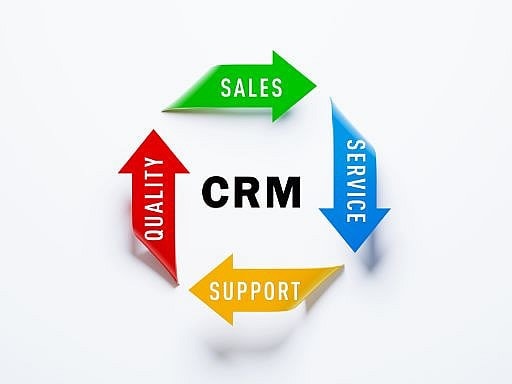
 CRM stands for Customer Relationship Management and is a system businesses use to improve their customer relationships. It helps companies manage, monitor, and analyze customer interactions and streamline project management.
CRM allows businesses to store customer data in one central location and use it to understand their customers better and create more personalized experiences. It can also be used to automate tasks and processes so that businesses can focus on providing high-quality customer experiences.
It helps companies develop better customer relationships by providing insights into customer behavior and providing a platform for personalized service. CRM also enables businesses to automate tasks and processes, freeing up valuable time and resources.
Companies can use CRM to capture leads, track sales opportunities, and manage customer relationships. Additionally, CRM helps businesses better understand customer needs and preferences, allowing them to create a more tailored customer experience.
CRM can also be used to monitor customer satisfaction and loyalty and to track customer engagement with the company’s products and services. By leveraging CRM, businesses can gain a better understanding of their customers and improve their overall customer experience.
CRM stands for Customer Relationship Management and is a system businesses use to improve their customer relationships. It helps companies manage, monitor, and analyze customer interactions and streamline project management.
CRM allows businesses to store customer data in one central location and use it to understand their customers better and create more personalized experiences. It can also be used to automate tasks and processes so that businesses can focus on providing high-quality customer experiences.
It helps companies develop better customer relationships by providing insights into customer behavior and providing a platform for personalized service. CRM also enables businesses to automate tasks and processes, freeing up valuable time and resources.
Companies can use CRM to capture leads, track sales opportunities, and manage customer relationships. Additionally, CRM helps businesses better understand customer needs and preferences, allowing them to create a more tailored customer experience.
CRM can also be used to monitor customer satisfaction and loyalty and to track customer engagement with the company’s products and services. By leveraging CRM, businesses can gain a better understanding of their customers and improve their overall customer experience.
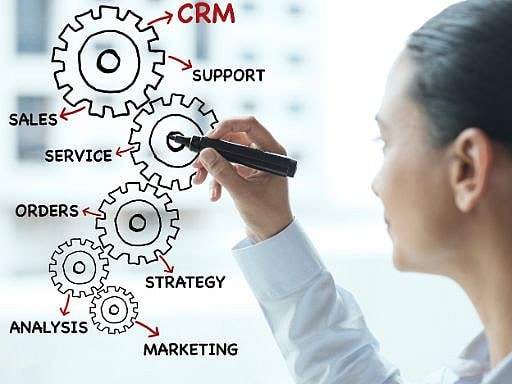 CRM software is a great way to keep track of customer data and streamline sales processes. It also includes project management capabilities and tools to help manage tasks, prioritize projects, assign tasks to team members, and track progress.
With CRM software, you can easily see the status of every project or task, as well as the details of each customer to ensure that everything is running smoothly. CRM software features can include contact management, customer segmentation, lead tracking, sales automation, and more.
The main purpose of CRM software is to help companies better understand their customers, as well as manage and analyze customer data. With CRM, companies can create personalized customer experiences, as well as track and improve customer service.
CRM software also enables companies to streamline processes, such as marketing, sales, and customer service. With automation and analytics capabilities, CRM software can help companies monitor customer activity and detect patterns that can help improve customer service.
The software can also help manage customer accounts, track sales opportunities, and follow up with customers in a timely manner. In addition, CRM software can help companies increase visibility and control over their operations.
With features such as reporting, analytics, and forecasting, companies can gain insights into their performance and identify areas for improvement. This can help companies make timely and informed decisions that can enhance the customer experience and increase profitability.
CRM software is a great way to keep track of customer data and streamline sales processes. It also includes project management capabilities and tools to help manage tasks, prioritize projects, assign tasks to team members, and track progress.
With CRM software, you can easily see the status of every project or task, as well as the details of each customer to ensure that everything is running smoothly. CRM software features can include contact management, customer segmentation, lead tracking, sales automation, and more.
The main purpose of CRM software is to help companies better understand their customers, as well as manage and analyze customer data. With CRM, companies can create personalized customer experiences, as well as track and improve customer service.
CRM software also enables companies to streamline processes, such as marketing, sales, and customer service. With automation and analytics capabilities, CRM software can help companies monitor customer activity and detect patterns that can help improve customer service.
The software can also help manage customer accounts, track sales opportunities, and follow up with customers in a timely manner. In addition, CRM software can help companies increase visibility and control over their operations.
With features such as reporting, analytics, and forecasting, companies can gain insights into their performance and identify areas for improvement. This can help companies make timely and informed decisions that can enhance the customer experience and increase profitability.
 If you are a business looking to streamline your processes, then you should consider combining CRM and project management software. This combination offers many benefits, such as increased efficiency and improved customer satisfaction.
It also allows teams to better collaborate and track progress on projects, which can lead to improved project outcomes. If you want to get the most out of your business processes, it is worth exploring the possibilities of combining CRM and project management software.
One of the most important benefits of combining CRM and project management software is improved customer service. By combining the two systems, businesses can ensure that customer information is always up-to-date and can be easily accessed by teams.
This makes it much easier for customer service representatives to provide accurate and prompt responses to customer inquiries. Additionally, the ability to track projects and progress in one place allows teams to be more organized and efficient.
This can lead to higher levels of customer satisfaction as well as improved project outcomes. Another benefit of combining CRM and project management software is improved collaboration.
By having the two systems integrated, teams can more easily share information, assign tasks, and update progress. This makes it much easier for teams to stay on the same page and coordinate effectively.
It also makes it easier to monitor progress on projects and ensures that deadlines are met. Finally, combining CRM and project management software can also help businesses save money.
By having all customer and project data in one place, businesses can reduce the need for manual data entry and reduce the time needed to process customer requests. Additionally, having the two systems integrated can help automate certain processes and reduce the need for manual labor, resulting in cost savings.
In conclusion, combining CRM and project management software can provide many benefits for businesses. It can improve customer service, increase efficiency, improve collaboration, and help save money.
For any business looking to get the most out of its processes, it is worth exploring the possibilities of combining these two systems.
If you are a business looking to streamline your processes, then you should consider combining CRM and project management software. This combination offers many benefits, such as increased efficiency and improved customer satisfaction.
It also allows teams to better collaborate and track progress on projects, which can lead to improved project outcomes. If you want to get the most out of your business processes, it is worth exploring the possibilities of combining CRM and project management software.
One of the most important benefits of combining CRM and project management software is improved customer service. By combining the two systems, businesses can ensure that customer information is always up-to-date and can be easily accessed by teams.
This makes it much easier for customer service representatives to provide accurate and prompt responses to customer inquiries. Additionally, the ability to track projects and progress in one place allows teams to be more organized and efficient.
This can lead to higher levels of customer satisfaction as well as improved project outcomes. Another benefit of combining CRM and project management software is improved collaboration.
By having the two systems integrated, teams can more easily share information, assign tasks, and update progress. This makes it much easier for teams to stay on the same page and coordinate effectively.
It also makes it easier to monitor progress on projects and ensures that deadlines are met. Finally, combining CRM and project management software can also help businesses save money.
By having all customer and project data in one place, businesses can reduce the need for manual data entry and reduce the time needed to process customer requests. Additionally, having the two systems integrated can help automate certain processes and reduce the need for manual labor, resulting in cost savings.
In conclusion, combining CRM and project management software can provide many benefits for businesses. It can improve customer service, increase efficiency, improve collaboration, and help save money.
For any business looking to get the most out of its processes, it is worth exploring the possibilities of combining these two systems.
 With the advent of customer relationship management (CRM) systems, companies now have the ability to easily manage their customer relationships, as well as their tasks. Combining CRM with project management creates an even more powerful tool, allowing businesses to better organize projects, track progress, and keep customers happy.
This new synergy helps companies to streamline their operations and better understand customer needs and preferences. Task and customer relationship management (CRM) are two essential elements in any successful business.
Task management allows businesses to allocate resources, set goals and objectives, create tasks, and assign them to the appropriate personnel. It enables businesses to monitor progress and measure performance, ensuring that deadlines are met and tasks are completed on time.
CRM, on the other hand, is all about understanding customer needs and building relationships with customers. It involves collecting customer data and using it to create personalized customer experiences.
With customer data, businesses can gain insight into customer preferences, track customer interactions, and provide better customer service. The combination of task and customer relationship management creates a powerful tool that can help businesses better organize projects, track progress and keep customers happy.
Task management helps businesses allocate resources and create tasks, while customer relationship management helps businesses understand customer needs and create personalized experiences. By combining these two elements, businesses can streamline their operations and improve customer satisfaction.
With the advent of customer relationship management (CRM) systems, companies now have the ability to easily manage their customer relationships, as well as their tasks. Combining CRM with project management creates an even more powerful tool, allowing businesses to better organize projects, track progress, and keep customers happy.
This new synergy helps companies to streamline their operations and better understand customer needs and preferences. Task and customer relationship management (CRM) are two essential elements in any successful business.
Task management allows businesses to allocate resources, set goals and objectives, create tasks, and assign them to the appropriate personnel. It enables businesses to monitor progress and measure performance, ensuring that deadlines are met and tasks are completed on time.
CRM, on the other hand, is all about understanding customer needs and building relationships with customers. It involves collecting customer data and using it to create personalized customer experiences.
With customer data, businesses can gain insight into customer preferences, track customer interactions, and provide better customer service. The combination of task and customer relationship management creates a powerful tool that can help businesses better organize projects, track progress and keep customers happy.
Task management helps businesses allocate resources and create tasks, while customer relationship management helps businesses understand customer needs and create personalized experiences. By combining these two elements, businesses can streamline their operations and improve customer satisfaction.